
What all Waterproofing should I do while constructing my new house?: A Homebuilder’s Step by Step Guide to Waterproofing
Building your own home is an incredible journey, a dream taking shape brick by brick. You meticulously plan every room, every fixture, every colour. But amidst the excitement of choosing tiles and designing kitchens, there’s a silent guardian your home desperately needs: Waterproofing.
For many first-time home builders, waterproofing might seem like a technical jargon, an optional extra, or something the contractor will “just handle.” This couldn’t be further from the truth. Think of waterproofing as your home’s personal raincoat and umbrella, protecting it from the relentless efforts of water to seep in and cause havoc. Ignoring it, or doing it improperly, is like building a beautiful sandcastle too close to the tide.
Introduction to Waterproofing: Your Home’s First Line of Defense
What is Waterproofing?
Simply put, waterproofing is the process of making a structure resistant to water penetration thus improving the structural life and longevity. It involves applying specialized materials or systems to create an impermeable barrier, preventing water from entering and damaging the building. This isn’t just about a quick coat of something; it’s a systematic approach to protect your investment from the foundation up to the roof which have to be done by experts in the field.
Why is Waterproofing Absolutely Critical for a New Home?
Water is persistent. It can find its way through the tiniest cracks and pores in concrete and masonry. Once inside, it becomes a destructive force. For a new home, effective waterproofing is critical because:
- Preserves Structural Integrity: Water can corrode steel reinforcements within concrete (the backbone of your structure), leading to weakening and potential structural failure over time.
- Ensures Healthy Living Environment: Dampness breeds mold and mildew, which are not only unsightly but can cause serious respiratory problems, allergies, and other health issues. A dry home is a healthy home.
- Protects Your Investment: Your home is likely your biggest financial investment. Waterproofing safeguards its value by preventing costly repairs and maintaining its aesthetic appeal.
- Enhances Durability: A home protected from water damage will last longer, requiring fewer major repairs throughout its lifespan.
The Heavy Price of Neglecting Waterproofing: Long-Term Cost Implications
Skipping or skimping on waterproofing might seem like a way to cut costs initially, but it’s a decision that almost always backfires, leading to far greater expenses down the line. Consider these:
- Cost of Repairs: Fixing water damage is expensive. This can include repairing cracked walls, re-plastering, repainting, replacing damaged flooring, and even rectifying structural issues.
- Damage to Interiors: Seepage can ruin expensive paint, wallpaper, wooden furniture, carpets, and electrical systems.
- Increased Utility Bills: Damp homes are harder to heat and cool, leading to higher energy consumption.
- Reduced Property Value: A home with visible dampness, mold, or a history of water leakage will fetch a significantly lower price in the market.
- Health Costs: Treating respiratory illnesses caused by mold and mildew can add up.
The truth is, the cost of comprehensive waterproofing during construction is a tiny fraction (often just 1-3%) of the total building cost. The cost of not doing it can be manifold, not to mention the stress and inconvenience.
Key Areas in Your House That Demand Waterproofing
Water can attack your home from multiple fronts. Here’s a detailed look at the critical zones that need robust waterproofing:
-
Foundation and Basement:
-
- Why: This is where your house meets the ground. Soil moisture, rainwater, and fluctuating water tables can exert immense hydrostatic pressure on foundation walls and basement slabs. Without a scientific waterproofing, water can easily seep into basements, capillary action on walls, making them damp, unusable, and a source of moisture for the rest of the house. It can also weaken the foundation itself.
- Common Methods: Liquid-applied membranes with Bituminous & cementitious chemistry, and proper drainage systems (like French drains) are crucial.
- Latest Methods: “Mirror C” Grooves, “U-Joint” etc are the latest and innovative foundation waterproofing systems developed by UniPro® Waterproofing to scientifically protect from water damage.
-
Roof/Terrace, Sunshades:
-
- Why: Your roof is the primary shield against rain. Flat roofs or terraces or sunshades are particularly vulnerable as water can pool on them. Slope roofs either aren’t exempted as they are also prone to water ingress due to reduced cement water ratio while casting. Even a small leak can lead to significant damage to ceilings, walls, and interiors below.
- Common Methods: Liquid-applied polyurethane or acrylic membranes, with a slope plastering/ screed ensuring proper slope for water drainage are essential.
- Latest Methods: UniPro® Waterproofing team checks the terrace area for integrity, reinforce vulnarable areas (if required) and given a protective waterproofing cover is provided immediately followed by suitable sloping methods.
-
Bathrooms and Wet Areas (including Showers, Toilets, Balconies & Laundries):
-
- Why: These areas are constantly exposed to water from showers, taps, and splashes. Water can seep through tile grout, gaps around pipes, and floor-wall junctions, leading to dampness in adjacent rooms, peeling paint, and mold growth.
- Common Methods: Applying flexible, liquid-applied waterproof membranes to the floor and walls (up to a certain height, especially in shower areas) before tiling is critical. Special attention should be paid to corners and pipe penetrations.
- Latest Methods: We recommend waterproofing at sunken levels and another level of waterproofing after PCC upto 300mm only. There are specific detailing developed by UniPro® Waterproofing to protect these areas, including how to place tiles etc keeping the waterproofing angle in mind. You may contact our customer service for more information and support.
-
Water Tanks (Overhead and Underground):
-
- Why: Both overhead and underground water tanks store large volumes of water. Any leakage can lead to water wastage, dampness in surrounding areas, and contamination of stored water (especially for underground tanks if external groundwater seeps in). For concrete tanks, waterproofing also prevents the concrete itself from deteriorating due to constant water exposure.
- Common Methods: Food-grade polymer-modified cementitious coatings or epoxy coatings are used for internal waterproofing to ensure water potability. External waterproofing for underground tanks is also necessary.
- Latest Methods: Food grade epoxy coating is upgraded to high quality, hi-build coating which can withstand even a 25 bar pressure. You may contact us at customer service for more information and support.
-
Exterior Walls and Balconies:
-
- Why: Exterior walls are battered by rain and environmental moisture. Balconies, being exposed, are like mini-terraces. Cracks in plaster or improper sealing can allow water to penetrate, causing damp patches internally, peeling paint externally, and efflorescence (those ugly white, powdery deposits).
- Common Methods: Applying waterproof exterior paints, and treating balconies with liquid membranes before tiling etc. Proper sealing of joints and cracks is also key.
- Latest Methods: Using water-repellent additives in plaster, or plastering the wall with polymer plasters, protecting all flush walls with water repellent treatment, using breathable paints which lasts more than 15 years. Do contact us in case you need support.
-
Kitchen and Utility Areas:
-
- Why: While not as intensely wet as bathrooms, kitchens and utility areas have sinks, dishwashers, and washing machines, making them prone to spills and leaks. The area beneath the sink and around plumbing outlets needs protection.
- Common Methods: Applying a waterproof coating to the floor and a small section of the walls (dado area) before installing cabinets and tiles can prevent long-term damage from minor leaks.
- Latest Methods: Focus given more on the kitchen top wall joints, Sink Joints apart from the common waterproofing method mentioned above.
-
Toilet Sharing Walls, Wardrobe Walls
-
- Why: In the event of any leaks, toilet sharing walls are usually the first victim for paint flaking. Wardrobe wall are usually done at full wall height where chances of dampness are more in humid tropical climates like Kerala.
- Common Methods: No treatments are currently done.
- Latest Methods: Toilet Sharing Walls up to 1.5m, full height of wardrobe walls are treated with epoxy coating which is of high quality, hi-build coating which can withstand even a 25 bar pressure. Putty and paint can be done over it post curing.
-
Tiling Balconies and Open Terraces:
-
- Why: Tiles themselves are largely water-resistant, but the grout joints between them are not. Over time, grout can crack or wear away, allowing water to seep underneath the tiles. If there’s no underlying waterproof membrane, this water will eventually find its way into the slab and the rooms below.
- Common Methods: Applying a robust waterproofing membrane before laying the tiles is non-negotiable. This creates a continuous barrier. Ensure proper slope for drainage towards designated outlets.
- Latest Methods: Tiling Balconies and Open terraces should be a well thought out decision and we provide step by step waterproofing specifications done at slab level and slope level. Tiles have to be laid with minimum 5mm adhesive and finished with UV-stable epoxy for long service life. Contact us for more information.
-
Planter Boxes and Roof Gardens
-
- Why: Planter boxes and roof gardens are wet throughout the year. If not constructed and waterproofed properly, you may have to get rid of them to save the structure.
- Common Methods: Constructing Planter boxes with brick masonry and coating them with basic waterproofing after plastering.
- Latest Methods: Planter boxes & roof gardens are to be constructed with RCC and anti root waterproofing to be done, followed by slope screeding and wall plastering, installation of drain cells etc. Contact our customer support for help and information.
-
Around Windows and Doors:
-
- Why: The junctions between window/door frames and walls are common weak points for water ingress, especially during driving rain. Improperly sealed gaps can lead to water seeping in, damaging walls, and promoting mold.
- Common Methods: Using quality sealants (like silicone or polyurethane) around frames and ensuring proper installation with flashing (if applicable) is crucial. Sometimes, a pre-emptive waterproof coating around the openings before frame installation is beneficial.
- Latest Method: Client consults with our expert team to understand the nuances so that they can take an informed decision.
What Happens If You Don’t Waterproof Properly?
Ignoring or botching waterproofing is an invitation for trouble. The consequences can range from annoying cosmetic issues to serious structural threats:
-
Common Issues:
-
- Seepage and Damp Patches: Ugly, discolored patches on walls and ceilings are the most common tell-tale signs.
- Peeling Paint and Plaster: Moisture pushes paint and plaster off the surface.
- Mold and Mildew Growth: Black, green, or white fuzzy spots that smell musty and pose health risks.
- Efflorescence: White, salty deposits on walls as water evaporates, leaving minerals behind.
- Warped Wooden Fixtures: Doors, window frames, and wooden flooring can swell and deform.
- Corrosion: Metal fixtures, pipes, and even electrical conduits can rust.
- Structural Damage: In severe cases, prolonged water exposure can corrode reinforcing steel in concrete, leading to spalling (concrete breaking away) and weakening of the structure. This is the most dangerous and expensive outcome.
Real-Life Scenarios: Waterproofing Lessons from Others
- The Case of the Damp Basement: Mr. Ashok (name changed for privacy) was thrilled with his new home, complete with a basement he planned to use as a home office. He’d relied on his general contractor for waterproofing, who volunteered for it and did a cursory job. Within the first monsoon, the basement walls were damp, and a musty smell filled the air. His files and books started getting moldy. The fix? Extensive reinforcement of retaining walls with PU, which involved drilling and replastering – a costly and disruptive process that could have been avoided with proper initial application.
- The Leaky Terrace Party Spoiler: The Jacobs (name changed for privacy) loved hosting parties on their beautiful new terrace. However, after a few heavy rains, their top-floor bedroom ceiling started showing damp patches and water stains. The “waterproofing” done by the tiler was just a thin chemical mix over the slab, which quickly failed. They had to rip up all the expensive terrace tiles, apply a proper membrane system, and then re-tile – doubling their terrace cost and causing immense frustration.
When to Do Waterproofing? A Stage-Wise Waterproofing Guide
Waterproofing isn’t an afterthought; it’s an integral part of the construction process. It needs to be done at specific stages for maximum effectiveness:
-
During Foundation and Basement Work:
-
- When: After the foundation concrete/plinth beam is cast and cured, and before backfilling the soil around the plinth beam.
- What: Apply external waterproofing coating to plinth beam or retaining walls and the basement slab. Install drainage systems.
-
Before Laying Bathroom/Kitchen/Utility Flooring:
-
- When: After the basic civil work in these areas is complete, plumbing lines are laid (and tested for leaks!), but before the tiles or final flooring is installed.
- What: Apply liquid membranes to the floor slab and up the walls to the specified height (e.g., shower area upto 3 feet, other areas 300mm). This is often called “sunken slab waterproofing” or “wet area membrane application.”
-
Before & After Plastering Walls (for certain treatments):
-
- When: Before Plastering – For external walls, sometimes water-repellent additives are mixed into the cement plaster.
- When: After Plastering – Water repellent spray treatment done post curing and before painting.
-
Before Laying Terrace Tiles:
-
- When: After the structural slab for the terrace is cast and cured, and before the final tiling or finishing layer is applied.
- What: Apply a robust waterproofing system (e.g., liquid membrane treatment with Acrylic or PU. Ensure proper slope and drainage outlets are created before or integrated with the waterproofing layer.
-
Before Installing External Cladding/Paint:
-
- When: After the external plastering is done and cured.
- What: Apply high-quality waterproof spray treatment on walls. If using cladding, clad with hi quality adhesives laying a bed of 5mm and ensure claddings are well embedded. Seal all joints and gaps meticulously to avoid water ingress through joints.
Waterproofing Stories from the Trenches: The Good and The Bad
- The Smart Savers – The Varmas: Anil and Sunita Varma(names changed for privacy) were building their first home on a tight budget. Their contractor suggested cutting corners on waterproofing to save money. However, Anil did his research and read horror stories online. He insisted on allocating a proper budget for comprehensive waterproofing, hiring a specialist applicator for critical areas like the basement and terrace. Years later, their home stands dry and beautiful, while their neighbour, who built at the same time and skipped on thorough waterproofing, is constantly battling leaks and spending a fortune on repairs. The Varmas “spent” a little extra initially but “saved” a lot in the long run.
- The Unfortunate Oversight – The Alis: The Ali(name changed for privacy) family was excited about their new home with a lovely balcony garden. They assumed the tiler would handle the balcony waterproofing. The tiler did a quick waterproofing coating with a popular brand. Within a year, water started seeping from the balcony into the living room below, damaging their expensive wooden flooring and causing mold on the wall. The cost to fix the leak, replace the flooring, and repair the wall was nearly five times what proper balcony waterproofing would have cost initially.
Your Waterproofing Checklist: Practical Tips and Waterproofing Mistakes to Avoid.
Empower yourself with knowledge to ensure your waterproofing is done right:
What to Ask Your Waterproofing Contractor/Applicator:
- What type of waterproofing system do you propose for each area (basement, roof, bathrooms, etc.)? Why is it suitable?
- What specific materials and brands will you be using? Ask for detailed product information.
- What is the warranty period for the materials and the workmanship?
- What is your experience with these types of applications? Can you provide references?
- How will you prepare the surface before application? (Surface preparation is key!)
- How will you test the waterproofing after application? (e.g., flood testing for bathrooms/roofs).
- Who will supervise the work?
Common Mistakes to Avoid during Waterproofing your home:
- Treating it as a DIY Job: Proper waterproofing requires skill and knowledge of materials. Don’t try to do it yourself or leave it to untrained labor, your contractor, painter or tiling person.
- Using the Right Materials at Wrong Place: Different areas require different types of waterproofing materials. A one-size-fits-all approach doesn’t work.
- Using Mesh or Preformed Membranes in Toilets: Toilet areas are usually small and have constructed areas. Though sheet membranes are good, and mesh can increase tensile strength (which is not required in non sun exposed areas), they are prone to leaks if not done properly.
- Skipping the Primer: Primers ensure proper adhesion of the waterproofing membrane to the substrate. Skipping this can lead to failure. Kindly note that basic acrylic cement-based coatings does not need a primer.
- Ignoring Surface Preparation: Surfaces must be clean, dry, and free of loose particles for the waterproofing to bond effectively.
- Not Protecting Vulnerable Points: Joints, corners, pipe penetrations, and drains are critical points that need extra attention and proper detailing.
- Applying Too Thin a Coat: Ensure the specified thickness of the membrane is applied using correct dosage specified by the manufacturer.
- Damage After Application: Once waterproofing is done, ensure it’s not damaged by subsequent construction activities (e.g., plumbers, electricians, tilers, masons). Protection layers might be needed.
- Rushing the Curing Time: Waterproofing materials need adequate time to cure and achieve their full strength.
Ensuring Waterproofing Quality and Your Peace of Mind:
- Supervision: If you’re not technically savvy, consider hiring an independent waterproofing consultant or a knowledgeable site engineer to oversee the work. At the very least, be present during critical stages.
- Checklists: Prepare a simple checklist for each area based on the contractor’s proposal and material specifications.
- Documentation: Keep records of materials used, warranty cards, and any test reports. Take photographs at various stages.
- Certification/Reputable Applicators: Choose applicators who are certified by reputed waterproofing material manufacturers.
A quick note on materials: you’ll hear terms like liquid-applied membranes (polyurethane, acrylics – great for seamless coatings on roofs and bathrooms), Preformed membranes (APP (Tar), HDPE, EPDM based sheets, often used for foundations and some roofs), cementitious coatings (cement-based products modified with polymers, good for wet areas and tanks), and crystalline waterproofing (chemicals that penetrate concrete and form crystals to block pores). The right choice depends on the area, exposure conditions, and budget. An expert can guide you.
Final Note: Waterproofing is Not Optional, It’s Essential
Building a home is a labor of love and a significant financial commitment. Waterproofing is not a luxury or an area to cut corners; it’s a fundamental requirement for the longevity, safety, and comfort of your home.
Crucially, don’t assume your civil contractor, painter, plumber, or tiler is a waterproofing expert. While they play vital roles, specialized waterproofing application requires specific knowledge, skills, and attention to detail that only dedicated professionals or well-trained teams possess. Insist on specialists for critical waterproofing tasks.
By understanding its importance, planning for it at the right stages, and ensuring quality application, you’re not just preventing leaks; you’re investing in the health of your home and your family, ensuring your dream remains a source of joy, not a constant battle against dampness. Proactive planning today means long-term peace of mind for years to come.
※※※
The world of exterior paints is constantly evolving, with new technologies emerging to address the challenges of durability, aesthetics, and environmental impact. One such innovation that is gaining significant traction globally is Mineral Silicate Paint.
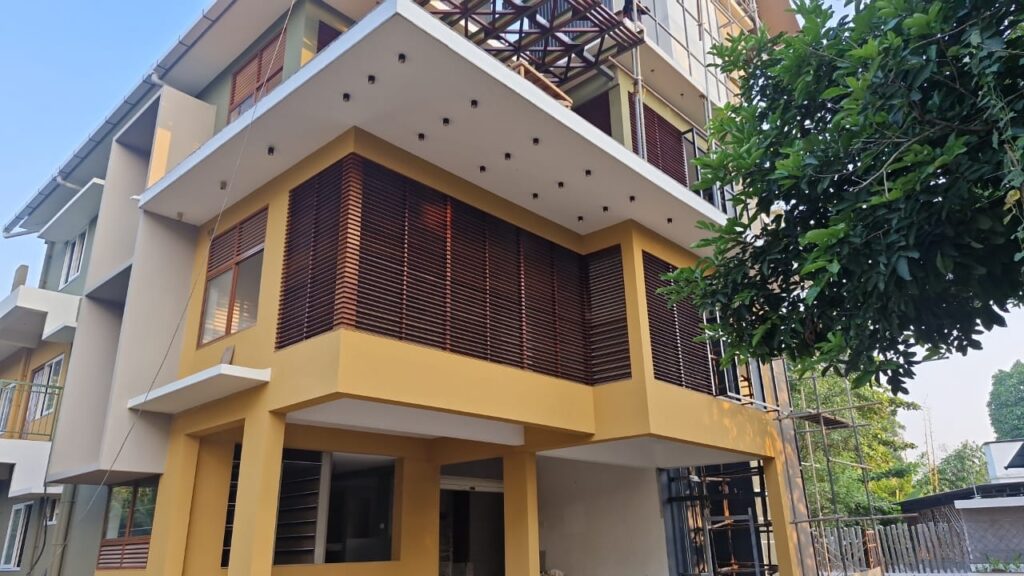
Shankar Pharmacy, Eloor-Kochi, Painted with Mineral Silicate Paint by Zydex.
A Glimpse into the Past:
Here’s a glimpse into the evolution of paint technologies in India:
1. Cement-Lime-White Wash/Dry Distemper based Paint Era:
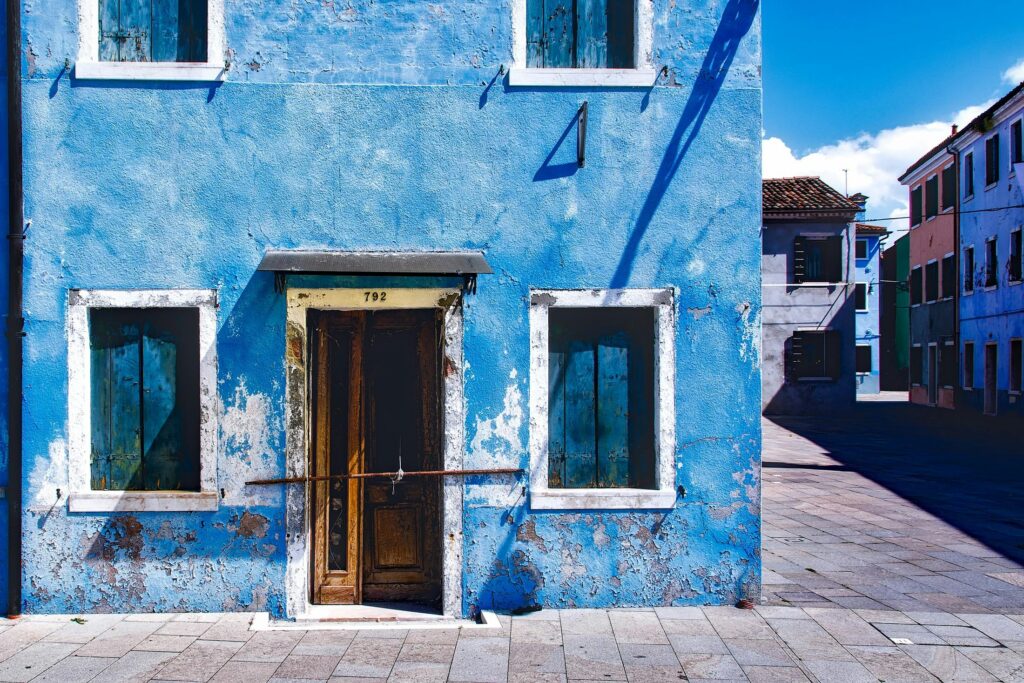
Lime – Cement Painted House
• Traditional: For centuries, Cement-Lime based Paints, Dry Distemper was the predominant choice for exterior & interior walls in India.
• Composition: While Cement -Lime based paints were made from slaked lime, white cement, water, and sometimes natural pigments, Dry Distemper were made with Chalk, lime, water, and sometimes coloring agents.
• Pros: Highly breathable, allowed moisture to escape, and provided some protection against the elements.
• Cons: Prone to fading, chalking, and required frequent reapplication.
Also Read : Want a beautiful, crack free, strong walls for your new home?
2. Rise of Acrylic Emulsions:
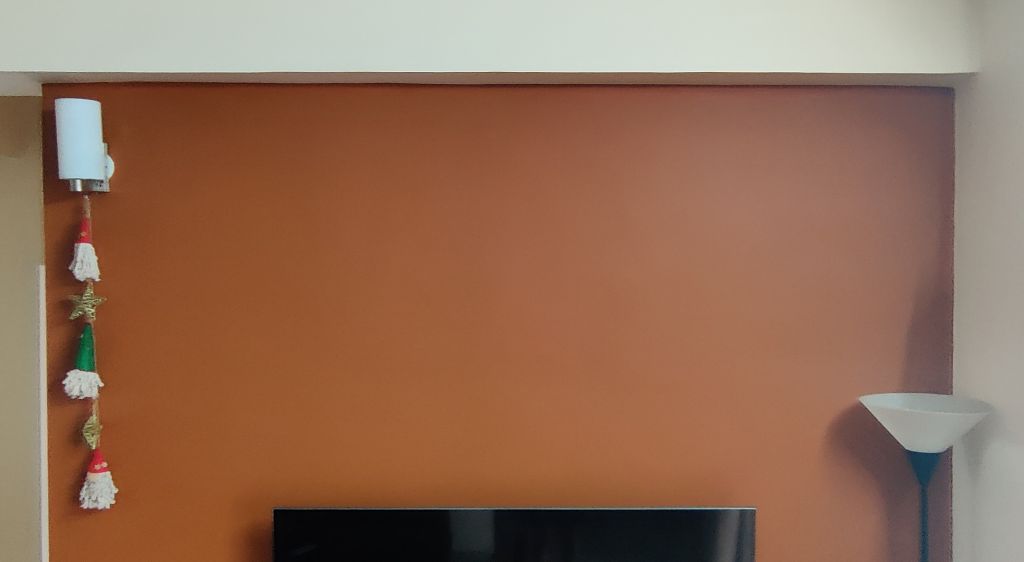
An Acrylic Emulsion Painted Wall
• Mid-20th Century: The introduction of acrylic emulsions revolutionized the Indian paint industry.
• Key Advantages: Offered better color retention, improved water resistance, and easier application compared to lime wash.
• Dominance: Acrylic emulsions quickly became the most widely used exterior paint in India due to their versatility and affordability.
Also Watch: Give Your Old, Dull Laterite Walls a New Look: Step-by-Step Guide to Home Décor.
3. Emergence of Mineral Silicate Paints:
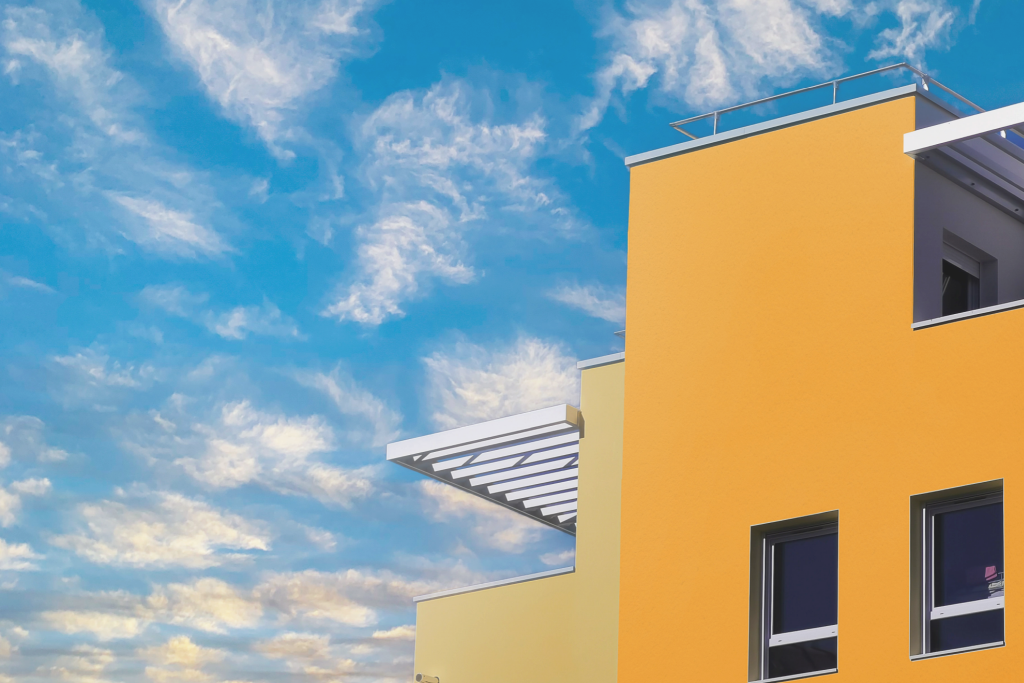
A brilliantly well painted building with exterior mineral silicate wall paint
• Recent Advancements: In recent years, Mineral Silicate Paints have emerged as a premium and technologically advanced option.
• Superior Performance: Offer enhanced durability, weather resistance, and longevity compared to traditional acrylic emulsions.
• Environmental Focus: Often more eco-friendly with lower VOC emissions.
• Premium Segment: Currently positioned as a premium offering in the Indian market.
Also Read: How to Prepare a Roof Surface Before Applying a Waterproofing Coating
The History of Mineral Silicate Paints
Mineral Silicate Paints have a rich history, dating back to the early 20th century. These paints were initially developed in Europe and have been widely used in demanding environments such as coastal regions and industrial areas due to their exceptional durability and resistance to harsh weather conditions.
Key Projects Showcasing Global Impact
Mineral Silicate Paints have been successfully employed in numerous prestigious projects worldwide, including:
- The Guggenheim Museum Bilbao, Spain: This iconic architectural masterpiece showcases the enduring beauty and resilience of Mineral Silicate Paints.
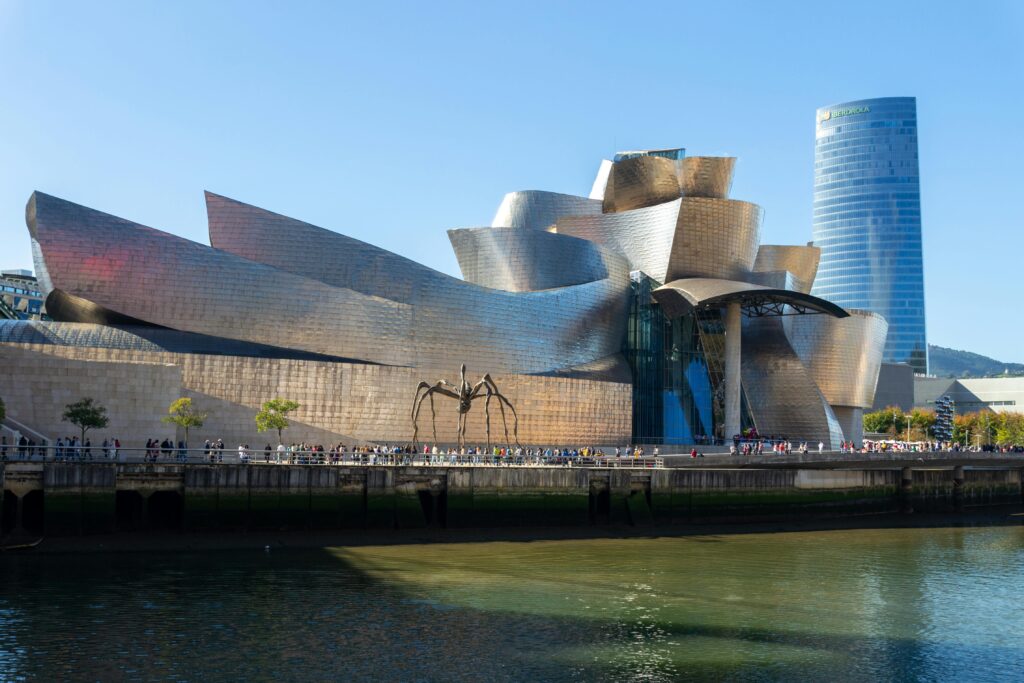
The Guggenheim Museum Bilbao, Spain
- The Sydney Opera House, Australia: The unique facade of this architectural marvel has been protected and enhanced with the use of these advanced paints.

The Sydney Opera House, Australia
- The Burj Khalifa, Dubai: This tallest building in the world exemplifies the durability and aesthetic appeal of Mineral Silicate Paints in high-rise applications.
Also Read: 5 Crucial Waterproofing Issues to Look for Before Repainting Your Home
Yes, two important historical monuments is worth mentioning here to understand the importance of this technology under discussion here. Both Buckingham Palace and the White House have been painted with mineral-based paints, specifically silicate paints because:-
- Silicate paints are known for their exceptional durability and resistance to harsh weather conditions, making them ideal for historic buildings like these.
- These paints are considered highly durable and weather-resistant, with lifespans exceeding a hundred years.
- Key Reasons for Use:
• Historical Use: Silicate paints have been used for centuries to protect and preserve important buildings.
• Durability: They are highly resistant to weathering, pollution, and moisture.
• Aesthetics: Silicate paints can provide a long-lasting and attractive finish.
Global Key Players in Mineral Silicate Paint Manufacturing
Several leading paint manufacturers globally have embraced Mineral Silicate Paint technology, including:
- KEIM: A renowned global leader in mineral silicate paints. Buildings decorated with KEIM paints in the 19th century are still in excellent condition today. Amongst such examples are the “White Eagle” Inn in Stein am Rhein and the City Hall in Schwyz (1891), both of which are in Switzerland, and facades in Oslo (1895) and Traunstein, Germany (1891).
- Caparol: A German-based company known for its innovative paint solutions, Caparol provides a comprehensive range of Mineral Silicate Paints for diverse applications.
- Sto: A leading manufacturer of exterior facade systems, Sto offers a variety of Mineral Silicate Paints with exceptional durability and aesthetic qualities.
Disadvantages of using Acrylic Emulsions
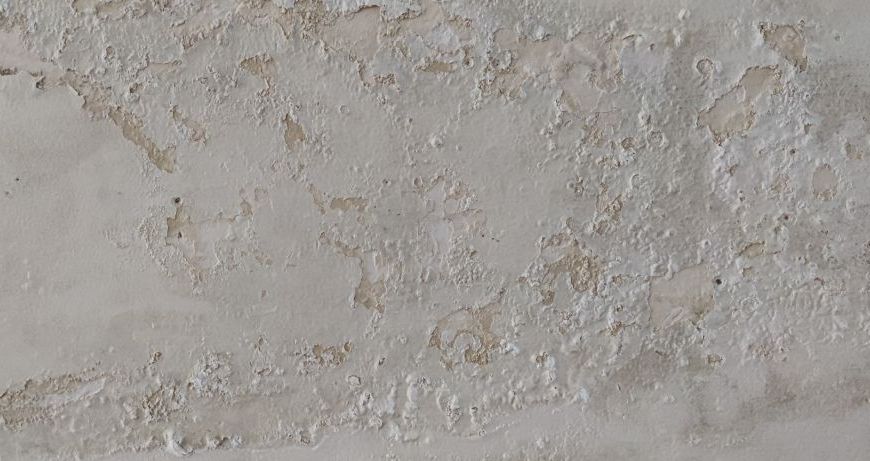
A paint flaked wall using acrylic emulsion paint
Before going into the benefits of Mineral Silicate Paints, let us understand the disadvantages of using Acrylic Emulsions on exterior walls, which many of them may be familiar to you.
- Chalking: Acrylic emulsions tend to chalk over time, releasing fine particles that can stain surfaces and require frequent cleaning.
- Fading: Exposure to UV radiation can cause acrylic emulsions to fade, leading to a loss of color and aesthetic appeal.
- Poor Adhesion: In some cases, acrylic emulsions may not adhere well to certain surfaces, leading to peeling or flaking.
- Less Durable: Compared to some other exterior paint options like silicate paints, acrylic emulsions may have a shorter lifespan and require more frequent repainting.
- Less Breathable: Acrylic emulsions can form a less breathable coating on the wall, which can trap moisture and contribute to the growth of mold and mildew.
- Environmental Concerns: Some acrylic emulsions may contain volatile organic compounds (VOCs) that can contribute to air pollution.
Also Watch: How to Avoid Capillary Rise During Residential Construction
Key USPs of Mineral Silicate Paints:
Mineral paints from Zydex penetrate into the substrate on which they are being applied and create an inseparable chemical bond to become an integral part of the substrate. Acrylic coatings only form surface films that are merely adherent. Thus unlike acrylic coatings that peel-off under adverse conditions due to failure of the mechanical bond, mineral paints remain chemically interlocked and weather gracefully over decades!
Allows moisture to escape, preventing the formation of blisters and peeling. Mineral paints from Zydex are resistant to water ingress while maintaining the breathability of the surface. Thus, these paints can “exhale”
water vapour while not allowing liquid water into the structure. This provides an ideal moisture balance that creates a more pleasant interior climate and a robust exterior facade.
Protects against harmful UV rays, preventing fading and colour degradation. Mineral paints from Zydex use silicate binders that form an insoluble silicate structure which is impervious to the effects of atmospheric effects such as UV, humidity, acid rain, extreme heat and intense rainfall due to its ceramic nature.
Guaranteed 15 years of fade-free performance, significantly reducing the cost of ownership. Zydex Mineral paints use only the highest quality light fast earth metal oxide pigments. These pigments are completely stable against atmospheric UV, acids and weathering ensuring a fade-free facade for the lifetime of the paint. Thus, the combination of silicate binders and oxide pigments ensure that buildings retain their vibrant look for decades!
Resists the growth of algae and fungi, maintaining a clean and attractive appearance. Mineral paints from Zydex are highly alkaline in nature (pH-11) due to potassium silicate which is the main binder. Thus they are naturally resistant to algae, fungus and mold as these are unable to thrive in high pH environments.
Also Read: Prevent Slips and Falls: The Power of Antiskid Flooring in Every Home and Public Space
Minimizes dirt adherence, keeping the walls cleaner for longer. Mineral paints from Zydex have very low organic content and retain their hardness on the hottest of days unlike acrylic paints. Thus, these paints do not become soft or tacky and do not bind to dust. Their mineral nature dissipates static charge from wind driven friction and does not actively attract dust in contrast to acrylic paints. Any dust that is loosely settled on the surface is instantly washed away through natural rainfall or washing during building maintenance.
Effectively repels water, protecting the building from moisture damage. Mineral paints from Zydex are modified with cross-linking silicones to ensure excellent resistance to water ingress. Zydex mineral paints pass the RILEM test and can withstand extreme wind driven rains for sustained periods of time. Combined with their natural breathability and quick drying properties, Zydex Mineral Paints ensure your structures remain dry in the most demanding weather conditions.
Conceals minor wall imperfections, eliminating the need for extensive surface preparation. The crystalline nature of the binder results in a paint matrix that is essentially composed of millions of tiny crystals of glass. This results in unmatched transparency and brilliance that allows the natural radiance of the pigments to shine through. The sharp edged nature of these crystals also imparts a deep mineral matt effect
that lends a luminous yet natural appearance to your structure.
A feature that provides enhanced fire safety for your building. The inorganic nature of the paint is highly resistant to flame spread in case of fire. This feature make these paints particularly safe for public places such as schools, libraries, hospitals, commercial buildings and residential high-rises.
Environmentally friendly with minimal volatile organic compounds. Mineral paints from Zydex rely on mineral binders such as potassium silicate that do not require any plasticisation from solvents thus eliminating the major source of Volatile Organic Content (VOCs). This makes mineral paints one of the greenest category of paints available. The absence of volatile solvents creates a more comfortable and safe environment for sensitive groups such as children, elderly and allergy sufferers. All mineral paints from Zydex are GreenPro® certified which makes it surpass stringent environmental and sustainability standards.
Ensures a pleasant and comfortable application experience. The paints are completely odour free and rooms can be occupied within 30 mins of painting.
- Washable & Abrasion Resistant:
Easy to clean and withstands everyday wear and tear.
- Best Hiding in 1st Coat:
Reduces the number of coats required, saving time and resources.
- No Peeling or Flaking:
As there is no membrane formation and system have breathability, there is nothing to peel or flake. This ensures long-lasting durability and eliminates costly repairs.
Also Watch: How to fix your toilet floor leaking without breaking tiles
Introducing Mineral Silicate Paint Technology in India: A Game-Changer by Zydex Industries- Proudly “Made in India”
Zydex Industries, a leading name in the Indian construction chemicals industry, is proud to introduce Mineral Silicate Paint technology to India. This marks a significant milestone in the evolution of exterior paint solutions in the country.
A Revolutionary Approach to Exterior Wall Preparation:
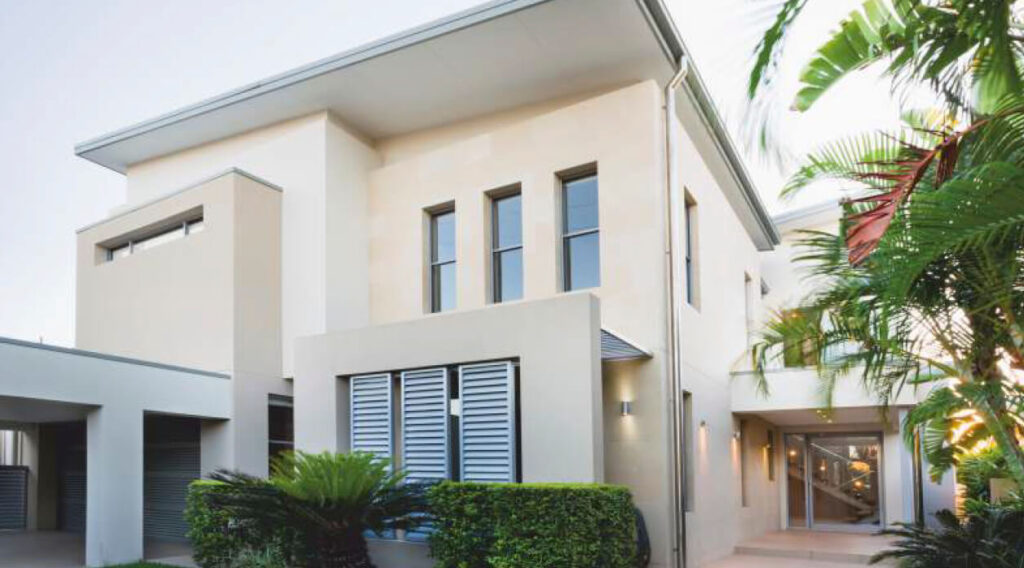
A building painted with Algal and fungal resistant paint.
Zydex Mineral Silicate Paints are applied after a post-Organo Silane with Acrylic Polymer treatment. This innovative approach effectively waterproofs the walls, eliminating the need for traditional primer and putty applications. This not only simplifies the painting process but also significantly reduces labor costs and project timelines.
Also Read: Toilet Floor Waterproofing without Breaking Tiles: A Three-Tiered Approach
Experience the Mineral Silicate Paint Difference:
We invites you to experience the future of exterior paints with the Zydex range of Mineral Silicate Paints.
Key Benefits:
- Unmatched Durability: Experience long-lasting protection against harsh weather conditions.
- Avoid External Wall Putty Application: Mineral Silicate paints do not have gloss or semi-gloss finish which highlights the wall undulations . They have a brilliant dead matt finish which eliminates the need for levelling undulations on walls.
- Superior Aesthetics: Enhance the visual appeal of your building with a rich, vibrant, and fade-resistant finish.
- Reduced Maintenance Costs: Minimize the need for frequent repainting and costly repairs.
- Environmental Sustainability: Choose an eco-friendly and sustainable paint solution.
- Enhanced Building Value: Increase the value and longevity of your property with a premium paint system.
Unveiling the Mineral Silicate Paint Exterior Range: Experience the Future of Exterior Walls
Zydex Industries presents a premium range of Mineral Silicate Paints meticulously crafted to deliver unparalleled performance and aesthetics. Here’s the full range:-
-
Stonix: Ultra Durable Exterior Mineral Paint
Stonix is a ultra-durable mineral paint with a binder system comprising potassium silicate for exterior application. Made using only lightfast inorganic pigments it offers a service life of 15+ years without fading or peeling when applied on mineral surfaces. Its purely mineral character offers extreme dirt pickup resistance and its inherent alkalinity inhibits algae and fungal growth. Stonix has an ultramatt appearance that enhances light reflectivity and effectively hides surface defects. Its inherent crystallinity provides unsurpassed color depth. Available in 230+ long lasting shades.
-
Xtend Ultra: High Performance Exterior Paint

PPD Anthem, Trivandrum Apartment painted with Zydex Xtend Ultra Mineral Silicate Paint about 2 years ago
- Xtend Ultra is a high performance paint for exterior application. Made using only lightfast inorganic pigments it offers a service life of 10+ years without fading or peeling. Its combination of a special binder design and unique fillers offer excellent dirt pickup resistance. Its inherent breathability and water impermeability naturally inhibits algae and fungal growth. Xtend Ultra has a mineral matt appearance that enhances light reflectivity and effectively hides surface defects. Available in 59+ durable shades.
-
Xtend: Premium Exterior Paint
A premium paint for exterior application. Made using only lightfast pigments it offers a service life of 7+ years without fading or peeling. Its special binder design and unique filler composition offers excellent dirt pickup resistance and its inherent breathability combined with water repellent nature inhibits algae and fungal growth. Xtend has a mineral matt appearance that enhances light reflectivity and effectively hides surface defects. Available in 59+ durable shades.
Also Watch: Revolutionize Your Walls: Introducing India’s First Mineral Silicate Paint
-
Xtend Pro: Organo-Silicate Exterior Paint
Xtend Pro is a organo-silicate paint for exterior application. Made using only lightfast pigments it offers a service life of 5+ years without fading or peeling. Its special organo-silicate binder and unique filler composition offers excellent dirt pickup resistance and its inherent breathability combined with water repellent nature inhibits algae and fungal growth. Xtend Pro has a brilliant matt appearance that enhances light reflectivity and effectively hides surface defects. Available in 59+ durable shades.
-
Matt Emulsion: Exterior Paint
Matt Emulsion is a premium exterior paint with a rich matt finish. It’s inherent deep matt effect and carefully selected pigments provide unsurpassed color depth and brilliancy even in the most difficult lighting conditions. Matt Emulsion’s ability to hide surface defects leads to an even and consistent finish even at sharp angles. The paint is extremely resistant to burnishing and mechanical abrasion making it suitable for even the most demanding high traffic interior spaces. Being highly breathable, it is extremely resistant to peel-off and blistering. Designed for excellent dirt release, it is easily washable and highly scrub resistant. Available in a wide range of colours.
-
Xtend WallTex:
Xtend WallTex is an acrylic-based textured scratch finish that can be used to impart a unique aesthetic finish to the walls. Depending upon the grade chosen, one can modulate the size and depth of the grooves. Patterns can be made in any of the standard designs such as vertical, horizontal, criss-cross etc. This product is particularly useful on walls where there are lot of irregularities and undulations. The product can be applied directly on the plaster / concrete surface. Incase waterproofing is required, Zycosil+ / Zycoprime+ solution should be applied before application. After allowing a setting time of minimum 24 hrs, painting with Xtend / Xtend Ultra / Stonix may proceed.
Mineral Silicate Interior Paint Solutions
The range also includes interior paint solutions such as:
-
Premium Matt: Premium Matt Interior Paint
Premium Matt is a premium interior paint with a rich matt finish. It’s inherent deep matt effect and carefully selected pigments provide unsurpassed color depth and brilliancy even in the most difficult lighting conditions. Premium Matt’s ability to hide surface defects leads to an even and consistent finish even at sharp angles. The paint is extremely resistant to burnishing and mechanical abrasion making it suitable for even the most demanding high traffic interior spaces. Being highly breathable, it is extremely resistant to peel-off and blistering. Designed for excellent dirt release, it is easily washable and highly scrub resistant. Available in a wide range of
colours. -
Marvella: Luxury Interior Paint
Marvella is a luxury interior paint with a pleasant sheen that results in a soft glow on your walls. The paint has a soft hand feel with a smooth lustrous finish. It is a highly washable paint with excellent stain release properties with even the toughest of stains. The innovative binder technology eliminates patchiness during application and provides an odourless experience for the occupier of the space. It is available in an extremely wide range of colours.
-
Pro Emulsion: Pro Emulsion Interior Paint
Pro Emulsion is a premium interior paint with a rich matt finish. It’s inherent deep matt effect and carefully selected pigments provide unsurpassed color depth and brilliancy even in the most difficult lighting conditions. Pro Emulsion’s ability to hide surface defects leads to an even and consistent finish even at sharp angles. The paint is extremely resistant to burnishing and mechanical abrasion making it suitable for even the most demanding high traffic interior spaces. Being highly breathable, it is extremely resistant to peel-off and blistering. Designed for excellent dirt release, it is easily washable and highly scrub resistant. Available in a white and pastel tones.
-
Premium Wall Primer: Water Based Acrylic Wall Primer for Interior and Exterior Application
Zydex Premium Wall Primer is an acrylic water based wall primer with excellent bonding and hiding characteristics. It has excellent sandability and provides a smooth base for over- painting. It is suitable for exterior and interior applications.
Landmark Projects
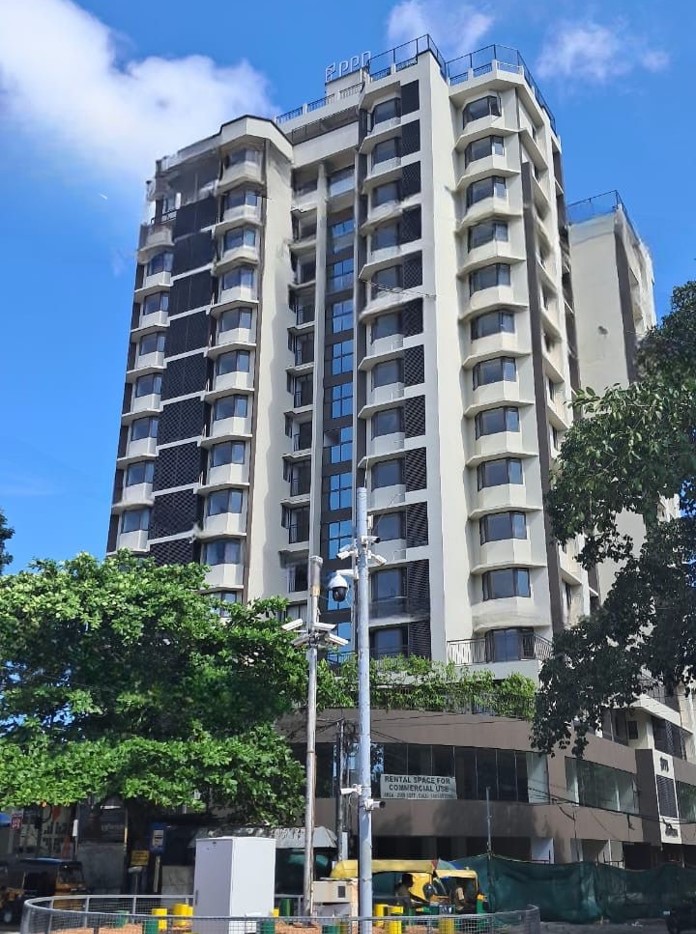
PPD Anthem, Thiruvananthapuram
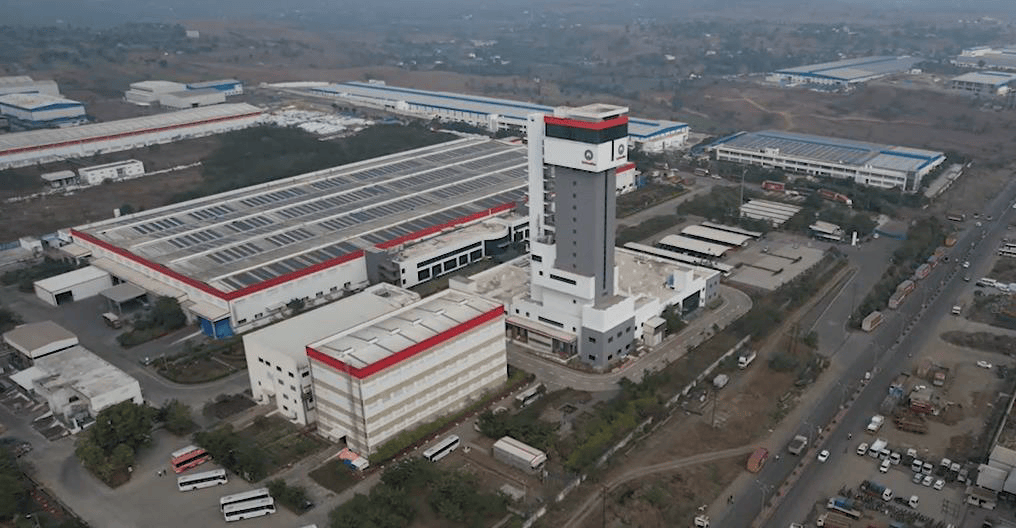
Schindler Factory, Pune
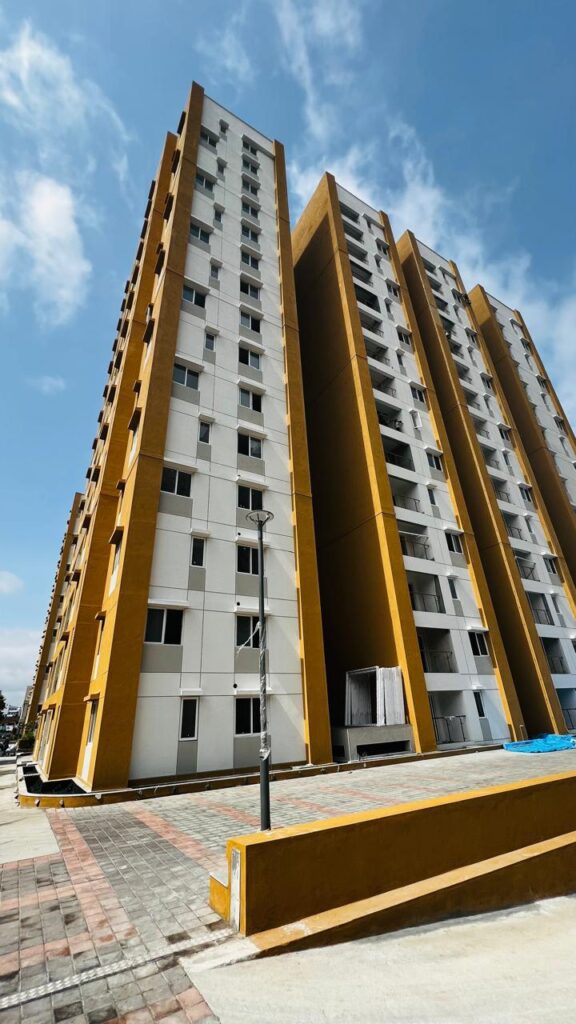
Sattva Exotica, Bengaluru

Sattva Exotica, Bengaluru
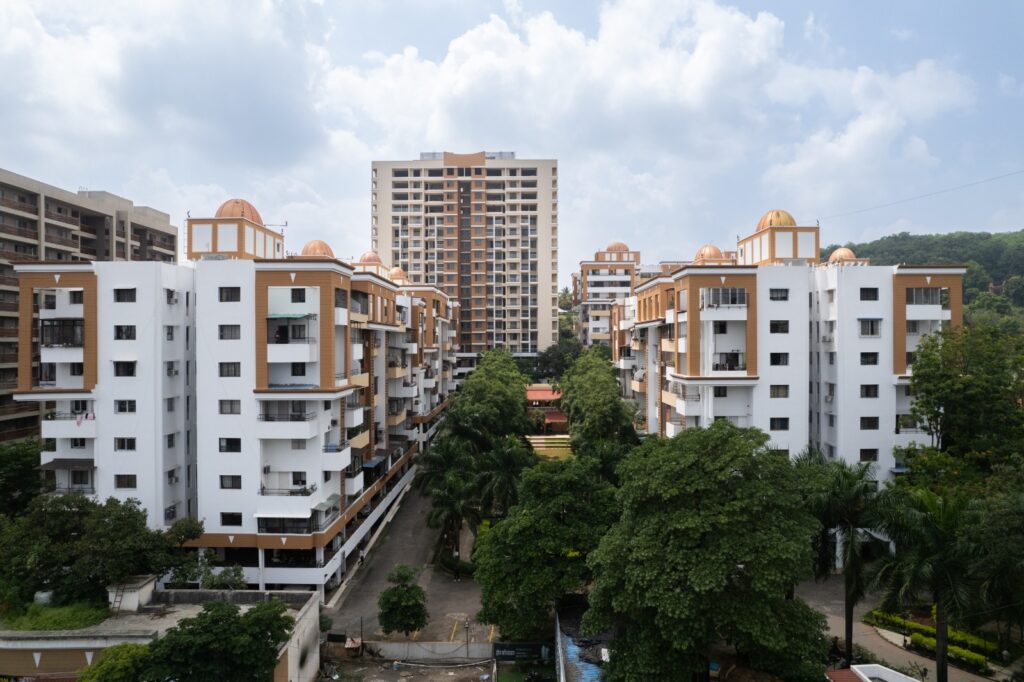
Ved Vihar CHS, Pune
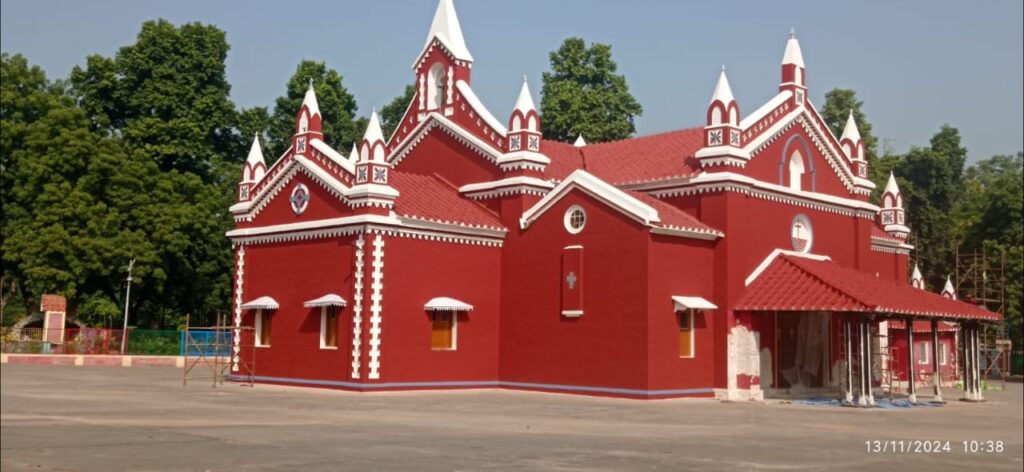
St. Aloysius Church, Kanpur
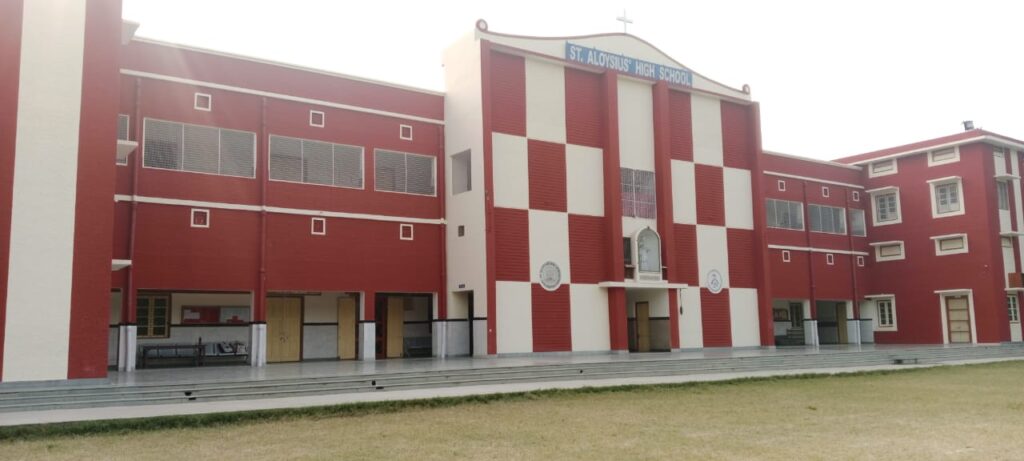
St. Aloysius School, Kanpur
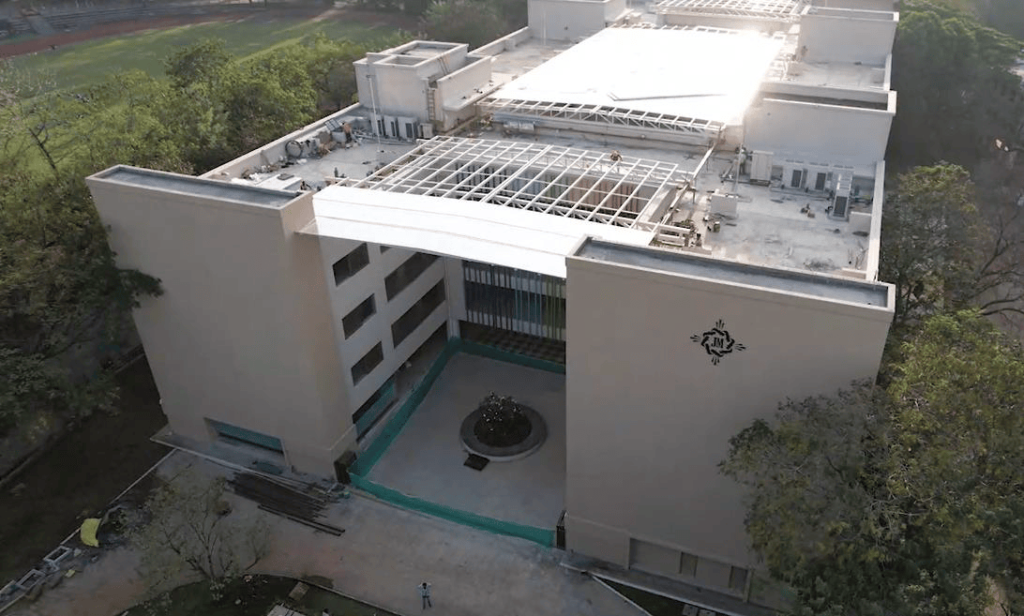
St. Josephs College, Pune

Shiv Sena Bhavan, Mumbai
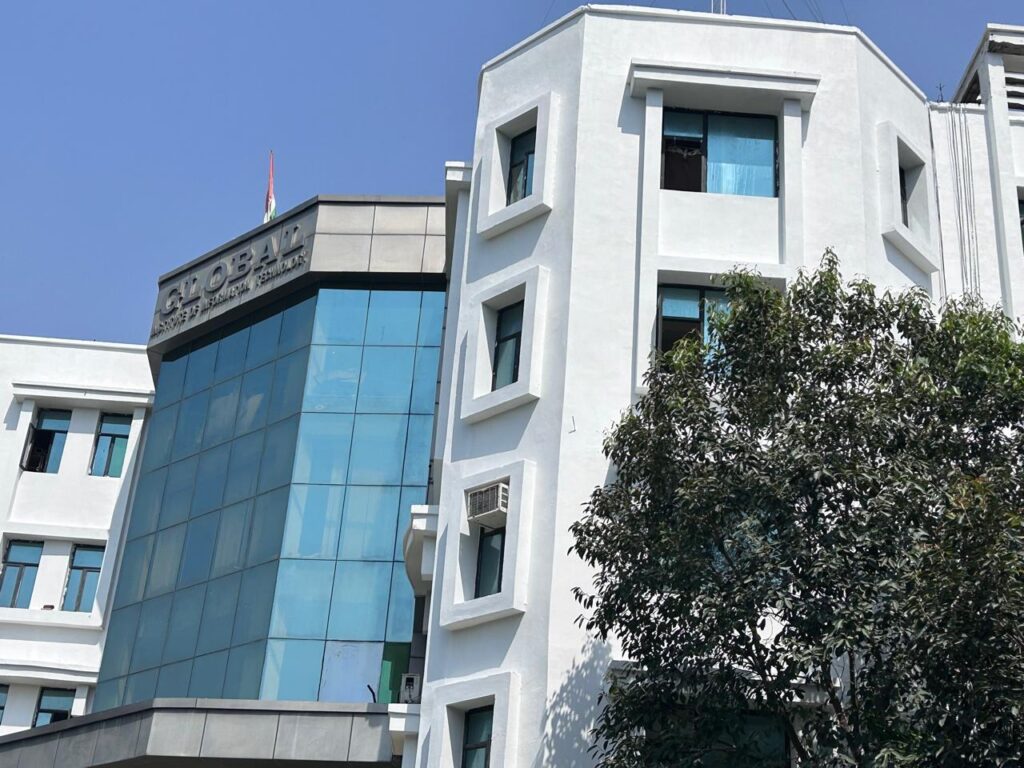
Global Institute of Management, Noida
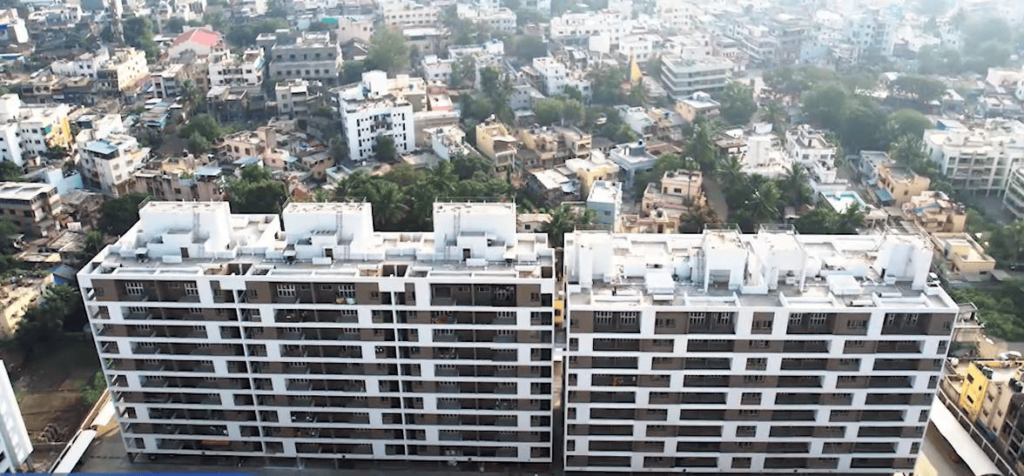
Namrata Primeland, Pune
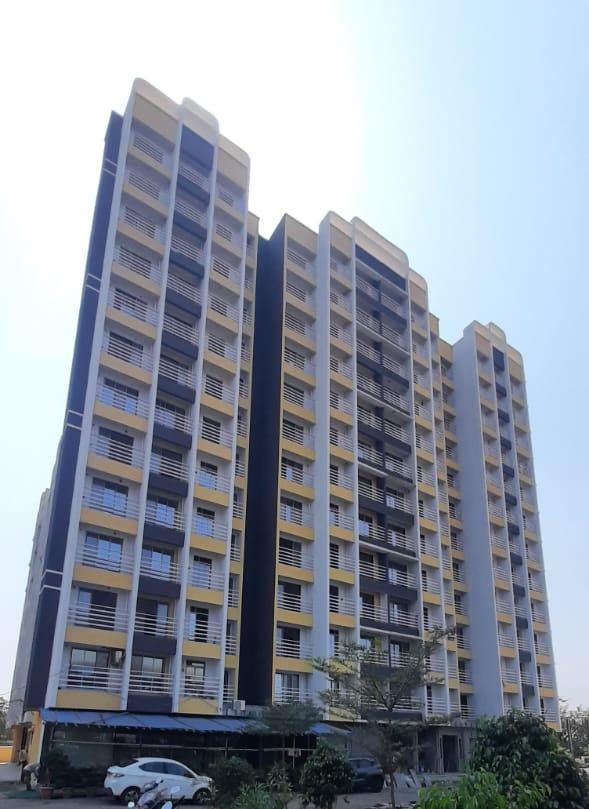
Karnika Galaxy, Mumbai
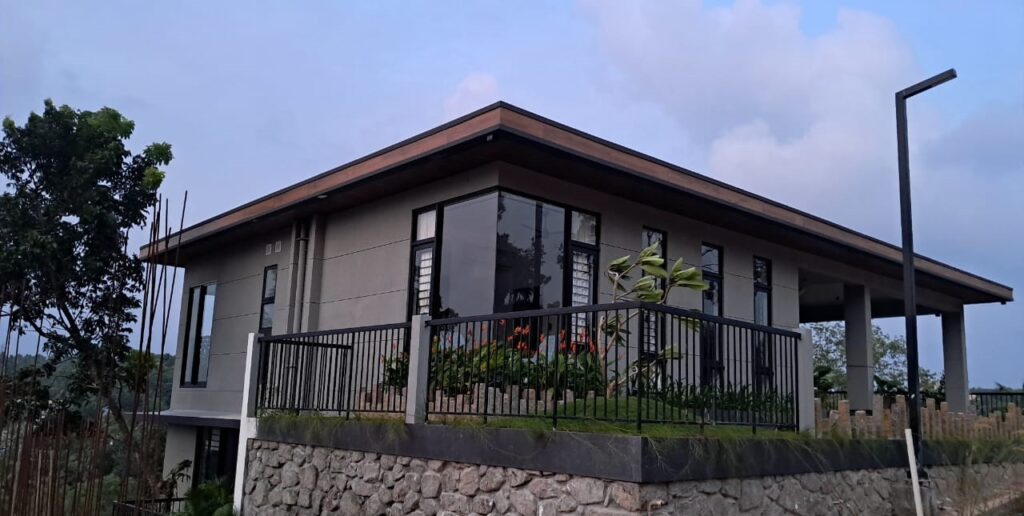
PPD Villas, Thiruvananthapuram
Contact us today to learn more about Mineral Silicate Paints range from Zydex and discover how they can transform your exterior walls. Sampling can also be done on request.
UniPro® Customer Care: +919544308555
Disclaimer: This blog post is for informational purposes only and should not be considered professional advice. Always consult with qualified professionals for specific project requirements.
Tag: Breathable Paints
What all Waterproofing should I do while constructing my new house?: A Homebuilder’s Step by Step Guide to Waterproofing
Building your own home is an incredible journey, a dream taking shape brick by brick. You meticulously plan every room, every fixture, every colour. But amidst the excitement of choosing tiles and designing kitchens, there’s a silent guardian your home desperately needs: Waterproofing.
For many first-time home builders, waterproofing might seem like a technical jargon, an optional extra, or something the contractor will “just handle.” This couldn’t be further from the truth. Think of waterproofing as your home’s personal raincoat and umbrella, protecting it from the relentless efforts of water to seep in and cause havoc. Ignoring it, or doing it improperly, is like building a beautiful sandcastle too close to the tide.
Introduction to Waterproofing: Your Home’s First Line of Defense
What is Waterproofing?
Simply put, waterproofing is the process of making a structure resistant to water penetration thus improving the structural life and longevity. It involves applying specialized materials or systems to create an impermeable barrier, preventing water from entering and damaging the building. This isn’t just about a quick coat of something; it’s a systematic approach to protect your investment from the foundation up to the roof which have to be done by experts in the field.
Why is Waterproofing Absolutely Critical for a New Home?
Water is persistent. It can find its way through the tiniest cracks and pores in concrete and masonry. Once inside, it becomes a destructive force. For a new home, effective waterproofing is critical because:
- Preserves Structural Integrity: Water can corrode steel reinforcements within concrete (the backbone of your structure), leading to weakening and potential structural failure over time.
- Ensures Healthy Living Environment: Dampness breeds mold and mildew, which are not only unsightly but can cause serious respiratory problems, allergies, and other health issues. A dry home is a healthy home.
- Protects Your Investment: Your home is likely your biggest financial investment. Waterproofing safeguards its value by preventing costly repairs and maintaining its aesthetic appeal.
- Enhances Durability: A home protected from water damage will last longer, requiring fewer major repairs throughout its lifespan.
The Heavy Price of Neglecting Waterproofing: Long-Term Cost Implications
Skipping or skimping on waterproofing might seem like a way to cut costs initially, but it’s a decision that almost always backfires, leading to far greater expenses down the line. Consider these:
- Cost of Repairs: Fixing water damage is expensive. This can include repairing cracked walls, re-plastering, repainting, replacing damaged flooring, and even rectifying structural issues.
- Damage to Interiors: Seepage can ruin expensive paint, wallpaper, wooden furniture, carpets, and electrical systems.
- Increased Utility Bills: Damp homes are harder to heat and cool, leading to higher energy consumption.
- Reduced Property Value: A home with visible dampness, mold, or a history of water leakage will fetch a significantly lower price in the market.
- Health Costs: Treating respiratory illnesses caused by mold and mildew can add up.
The truth is, the cost of comprehensive waterproofing during construction is a tiny fraction (often just 1-3%) of the total building cost. The cost of not doing it can be manifold, not to mention the stress and inconvenience.
Key Areas in Your House That Demand Waterproofing
Water can attack your home from multiple fronts. Here’s a detailed look at the critical zones that need robust waterproofing:
-
Foundation and Basement:
-
- Why: This is where your house meets the ground. Soil moisture, rainwater, and fluctuating water tables can exert immense hydrostatic pressure on foundation walls and basement slabs. Without a scientific waterproofing, water can easily seep into basements, capillary action on walls, making them damp, unusable, and a source of moisture for the rest of the house. It can also weaken the foundation itself.
- Common Methods: Liquid-applied membranes with Bituminous & cementitious chemistry, and proper drainage systems (like French drains) are crucial.
- Latest Methods: “Mirror C” Grooves, “U-Joint” etc are the latest and innovative foundation waterproofing systems developed by UniPro® Waterproofing to scientifically protect from water damage.
-
Roof/Terrace, Sunshades:
-
- Why: Your roof is the primary shield against rain. Flat roofs or terraces or sunshades are particularly vulnerable as water can pool on them. Slope roofs either aren’t exempted as they are also prone to water ingress due to reduced cement water ratio while casting. Even a small leak can lead to significant damage to ceilings, walls, and interiors below.
- Common Methods: Liquid-applied polyurethane or acrylic membranes, with a slope plastering/ screed ensuring proper slope for water drainage are essential.
- Latest Methods: UniPro® Waterproofing team checks the terrace area for integrity, reinforce vulnarable areas (if required) and given a protective waterproofing cover is provided immediately followed by suitable sloping methods.
-
Bathrooms and Wet Areas (including Showers, Toilets, Balconies & Laundries):
-
- Why: These areas are constantly exposed to water from showers, taps, and splashes. Water can seep through tile grout, gaps around pipes, and floor-wall junctions, leading to dampness in adjacent rooms, peeling paint, and mold growth.
- Common Methods: Applying flexible, liquid-applied waterproof membranes to the floor and walls (up to a certain height, especially in shower areas) before tiling is critical. Special attention should be paid to corners and pipe penetrations.
- Latest Methods: We recommend waterproofing at sunken levels and another level of waterproofing after PCC upto 300mm only. There are specific detailing developed by UniPro® Waterproofing to protect these areas, including how to place tiles etc keeping the waterproofing angle in mind. You may contact our customer service for more information and support.
-
Water Tanks (Overhead and Underground):
-
- Why: Both overhead and underground water tanks store large volumes of water. Any leakage can lead to water wastage, dampness in surrounding areas, and contamination of stored water (especially for underground tanks if external groundwater seeps in). For concrete tanks, waterproofing also prevents the concrete itself from deteriorating due to constant water exposure.
- Common Methods: Food-grade polymer-modified cementitious coatings or epoxy coatings are used for internal waterproofing to ensure water potability. External waterproofing for underground tanks is also necessary.
- Latest Methods: Food grade epoxy coating is upgraded to high quality, hi-build coating which can withstand even a 25 bar pressure. You may contact us at customer service for more information and support.
-
Exterior Walls and Balconies:
-
- Why: Exterior walls are battered by rain and environmental moisture. Balconies, being exposed, are like mini-terraces. Cracks in plaster or improper sealing can allow water to penetrate, causing damp patches internally, peeling paint externally, and efflorescence (those ugly white, powdery deposits).
- Common Methods: Applying waterproof exterior paints, and treating balconies with liquid membranes before tiling etc. Proper sealing of joints and cracks is also key.
- Latest Methods: Using water-repellent additives in plaster, or plastering the wall with polymer plasters, protecting all flush walls with water repellent treatment, using breathable paints which lasts more than 15 years. Do contact us in case you need support.
-
Kitchen and Utility Areas:
-
- Why: While not as intensely wet as bathrooms, kitchens and utility areas have sinks, dishwashers, and washing machines, making them prone to spills and leaks. The area beneath the sink and around plumbing outlets needs protection.
- Common Methods: Applying a waterproof coating to the floor and a small section of the walls (dado area) before installing cabinets and tiles can prevent long-term damage from minor leaks.
- Latest Methods: Focus given more on the kitchen top wall joints, Sink Joints apart from the common waterproofing method mentioned above.
-
Toilet Sharing Walls, Wardrobe Walls
-
- Why: In the event of any leaks, toilet sharing walls are usually the first victim for paint flaking. Wardrobe wall are usually done at full wall height where chances of dampness are more in humid tropical climates like Kerala.
- Common Methods: No treatments are currently done.
- Latest Methods: Toilet Sharing Walls up to 1.5m, full height of wardrobe walls are treated with epoxy coating which is of high quality, hi-build coating which can withstand even a 25 bar pressure. Putty and paint can be done over it post curing.
-
Tiling Balconies and Open Terraces:
-
- Why: Tiles themselves are largely water-resistant, but the grout joints between them are not. Over time, grout can crack or wear away, allowing water to seep underneath the tiles. If there’s no underlying waterproof membrane, this water will eventually find its way into the slab and the rooms below.
- Common Methods: Applying a robust waterproofing membrane before laying the tiles is non-negotiable. This creates a continuous barrier. Ensure proper slope for drainage towards designated outlets.
- Latest Methods: Tiling Balconies and Open terraces should be a well thought out decision and we provide step by step waterproofing specifications done at slab level and slope level. Tiles have to be laid with minimum 5mm adhesive and finished with UV-stable epoxy for long service life. Contact us for more information.
-
Planter Boxes and Roof Gardens
-
- Why: Planter boxes and roof gardens are wet throughout the year. If not constructed and waterproofed properly, you may have to get rid of them to save the structure.
- Common Methods: Constructing Planter boxes with brick masonry and coating them with basic waterproofing after plastering.
- Latest Methods: Planter boxes & roof gardens are to be constructed with RCC and anti root waterproofing to be done, followed by slope screeding and wall plastering, installation of drain cells etc. Contact our customer support for help and information.
-
Around Windows and Doors:
-
- Why: The junctions between window/door frames and walls are common weak points for water ingress, especially during driving rain. Improperly sealed gaps can lead to water seeping in, damaging walls, and promoting mold.
- Common Methods: Using quality sealants (like silicone or polyurethane) around frames and ensuring proper installation with flashing (if applicable) is crucial. Sometimes, a pre-emptive waterproof coating around the openings before frame installation is beneficial.
- Latest Method: Client consults with our expert team to understand the nuances so that they can take an informed decision.
What Happens If You Don’t Waterproof Properly?
Ignoring or botching waterproofing is an invitation for trouble. The consequences can range from annoying cosmetic issues to serious structural threats:
-
Common Issues:
-
- Seepage and Damp Patches: Ugly, discolored patches on walls and ceilings are the most common tell-tale signs.
- Peeling Paint and Plaster: Moisture pushes paint and plaster off the surface.
- Mold and Mildew Growth: Black, green, or white fuzzy spots that smell musty and pose health risks.
- Efflorescence: White, salty deposits on walls as water evaporates, leaving minerals behind.
- Warped Wooden Fixtures: Doors, window frames, and wooden flooring can swell and deform.
- Corrosion: Metal fixtures, pipes, and even electrical conduits can rust.
- Structural Damage: In severe cases, prolonged water exposure can corrode reinforcing steel in concrete, leading to spalling (concrete breaking away) and weakening of the structure. This is the most dangerous and expensive outcome.
Real-Life Scenarios: Waterproofing Lessons from Others
- The Case of the Damp Basement: Mr. Ashok (name changed for privacy) was thrilled with his new home, complete with a basement he planned to use as a home office. He’d relied on his general contractor for waterproofing, who volunteered for it and did a cursory job. Within the first monsoon, the basement walls were damp, and a musty smell filled the air. His files and books started getting moldy. The fix? Extensive reinforcement of retaining walls with PU, which involved drilling and replastering – a costly and disruptive process that could have been avoided with proper initial application.
- The Leaky Terrace Party Spoiler: The Jacobs (name changed for privacy) loved hosting parties on their beautiful new terrace. However, after a few heavy rains, their top-floor bedroom ceiling started showing damp patches and water stains. The “waterproofing” done by the tiler was just a thin chemical mix over the slab, which quickly failed. They had to rip up all the expensive terrace tiles, apply a proper membrane system, and then re-tile – doubling their terrace cost and causing immense frustration.
When to Do Waterproofing? A Stage-Wise Waterproofing Guide
Waterproofing isn’t an afterthought; it’s an integral part of the construction process. It needs to be done at specific stages for maximum effectiveness:
-
During Foundation and Basement Work:
-
- When: After the foundation concrete/plinth beam is cast and cured, and before backfilling the soil around the plinth beam.
- What: Apply external waterproofing coating to plinth beam or retaining walls and the basement slab. Install drainage systems.
-
Before Laying Bathroom/Kitchen/Utility Flooring:
-
- When: After the basic civil work in these areas is complete, plumbing lines are laid (and tested for leaks!), but before the tiles or final flooring is installed.
- What: Apply liquid membranes to the floor slab and up the walls to the specified height (e.g., shower area upto 3 feet, other areas 300mm). This is often called “sunken slab waterproofing” or “wet area membrane application.”
-
Before & After Plastering Walls (for certain treatments):
-
- When: Before Plastering – For external walls, sometimes water-repellent additives are mixed into the cement plaster.
- When: After Plastering – Water repellent spray treatment done post curing and before painting.
-
Before Laying Terrace Tiles:
-
- When: After the structural slab for the terrace is cast and cured, and before the final tiling or finishing layer is applied.
- What: Apply a robust waterproofing system (e.g., liquid membrane treatment with Acrylic or PU. Ensure proper slope and drainage outlets are created before or integrated with the waterproofing layer.
-
Before Installing External Cladding/Paint:
-
- When: After the external plastering is done and cured.
- What: Apply high-quality waterproof spray treatment on walls. If using cladding, clad with hi quality adhesives laying a bed of 5mm and ensure claddings are well embedded. Seal all joints and gaps meticulously to avoid water ingress through joints.
Waterproofing Stories from the Trenches: The Good and The Bad
- The Smart Savers – The Varmas: Anil and Sunita Varma(names changed for privacy) were building their first home on a tight budget. Their contractor suggested cutting corners on waterproofing to save money. However, Anil did his research and read horror stories online. He insisted on allocating a proper budget for comprehensive waterproofing, hiring a specialist applicator for critical areas like the basement and terrace. Years later, their home stands dry and beautiful, while their neighbour, who built at the same time and skipped on thorough waterproofing, is constantly battling leaks and spending a fortune on repairs. The Varmas “spent” a little extra initially but “saved” a lot in the long run.
- The Unfortunate Oversight – The Alis: The Ali(name changed for privacy) family was excited about their new home with a lovely balcony garden. They assumed the tiler would handle the balcony waterproofing. The tiler did a quick waterproofing coating with a popular brand. Within a year, water started seeping from the balcony into the living room below, damaging their expensive wooden flooring and causing mold on the wall. The cost to fix the leak, replace the flooring, and repair the wall was nearly five times what proper balcony waterproofing would have cost initially.
Your Waterproofing Checklist: Practical Tips and Waterproofing Mistakes to Avoid.
Empower yourself with knowledge to ensure your waterproofing is done right:
What to Ask Your Waterproofing Contractor/Applicator:
- What type of waterproofing system do you propose for each area (basement, roof, bathrooms, etc.)? Why is it suitable?
- What specific materials and brands will you be using? Ask for detailed product information.
- What is the warranty period for the materials and the workmanship?
- What is your experience with these types of applications? Can you provide references?
- How will you prepare the surface before application? (Surface preparation is key!)
- How will you test the waterproofing after application? (e.g., flood testing for bathrooms/roofs).
- Who will supervise the work?
Common Mistakes to Avoid during Waterproofing your home:
- Treating it as a DIY Job: Proper waterproofing requires skill and knowledge of materials. Don’t try to do it yourself or leave it to untrained labor, your contractor, painter or tiling person.
- Using the Right Materials at Wrong Place: Different areas require different types of waterproofing materials. A one-size-fits-all approach doesn’t work.
- Using Mesh or Preformed Membranes in Toilets: Toilet areas are usually small and have constructed areas. Though sheet membranes are good, and mesh can increase tensile strength (which is not required in non sun exposed areas), they are prone to leaks if not done properly.
- Skipping the Primer: Primers ensure proper adhesion of the waterproofing membrane to the substrate. Skipping this can lead to failure. Kindly note that basic acrylic cement-based coatings does not need a primer.
- Ignoring Surface Preparation: Surfaces must be clean, dry, and free of loose particles for the waterproofing to bond effectively.
- Not Protecting Vulnerable Points: Joints, corners, pipe penetrations, and drains are critical points that need extra attention and proper detailing.
- Applying Too Thin a Coat: Ensure the specified thickness of the membrane is applied using correct dosage specified by the manufacturer.
- Damage After Application: Once waterproofing is done, ensure it’s not damaged by subsequent construction activities (e.g., plumbers, electricians, tilers, masons). Protection layers might be needed.
- Rushing the Curing Time: Waterproofing materials need adequate time to cure and achieve their full strength.
Ensuring Waterproofing Quality and Your Peace of Mind:
- Supervision: If you’re not technically savvy, consider hiring an independent waterproofing consultant or a knowledgeable site engineer to oversee the work. At the very least, be present during critical stages.
- Checklists: Prepare a simple checklist for each area based on the contractor’s proposal and material specifications.
- Documentation: Keep records of materials used, warranty cards, and any test reports. Take photographs at various stages.
- Certification/Reputable Applicators: Choose applicators who are certified by reputed waterproofing material manufacturers.
A quick note on materials: you’ll hear terms like liquid-applied membranes (polyurethane, acrylics – great for seamless coatings on roofs and bathrooms), Preformed membranes (APP (Tar), HDPE, EPDM based sheets, often used for foundations and some roofs), cementitious coatings (cement-based products modified with polymers, good for wet areas and tanks), and crystalline waterproofing (chemicals that penetrate concrete and form crystals to block pores). The right choice depends on the area, exposure conditions, and budget. An expert can guide you.
Final Note: Waterproofing is Not Optional, It’s Essential
Building a home is a labor of love and a significant financial commitment. Waterproofing is not a luxury or an area to cut corners; it’s a fundamental requirement for the longevity, safety, and comfort of your home.
Crucially, don’t assume your civil contractor, painter, plumber, or tiler is a waterproofing expert. While they play vital roles, specialized waterproofing application requires specific knowledge, skills, and attention to detail that only dedicated professionals or well-trained teams possess. Insist on specialists for critical waterproofing tasks.
By understanding its importance, planning for it at the right stages, and ensuring quality application, you’re not just preventing leaks; you’re investing in the health of your home and your family, ensuring your dream remains a source of joy, not a constant battle against dampness. Proactive planning today means long-term peace of mind for years to come.
※※※
Discover The Future of Exterior Wall Paints: Introducing Mineral Silicate Technology in India
The world of exterior paints is constantly evolving, with new technologies emerging to address the challenges of durability, aesthetics, and environmental impact. One such innovation that is gaining significant traction globally is Mineral Silicate Paint.
Shankar Pharmacy, Eloor-Kochi, Painted with Mineral Silicate Paint by Zydex.
A Glimpse into the Past:
Here’s a glimpse into the evolution of paint technologies in India:
1. Cement-Lime-White Wash/Dry Distemper based Paint Era:
Lime – Cement Painted House
• Traditional: For centuries, Cement-Lime based Paints, Dry Distemper was the predominant choice for exterior & interior walls in India.
• Composition: While Cement -Lime based paints were made from slaked lime, white cement, water, and sometimes natural pigments, Dry Distemper were made with Chalk, lime, water, and sometimes coloring agents.
• Pros: Highly breathable, allowed moisture to escape, and provided some protection against the elements.
• Cons: Prone to fading, chalking, and required frequent reapplication.
Also Read : Want a beautiful, crack free, strong walls for your new home?
2. Rise of Acrylic Emulsions:
An Acrylic Emulsion Painted Wall
• Mid-20th Century: The introduction of acrylic emulsions revolutionized the Indian paint industry.
• Key Advantages: Offered better color retention, improved water resistance, and easier application compared to lime wash.
• Dominance: Acrylic emulsions quickly became the most widely used exterior paint in India due to their versatility and affordability.
Also Watch: Give Your Old, Dull Laterite Walls a New Look: Step-by-Step Guide to Home Décor.
3. Emergence of Mineral Silicate Paints:
A brilliantly well painted building with exterior mineral silicate wall paint
• Recent Advancements: In recent years, Mineral Silicate Paints have emerged as a premium and technologically advanced option.
• Superior Performance: Offer enhanced durability, weather resistance, and longevity compared to traditional acrylic emulsions.
• Environmental Focus: Often more eco-friendly with lower VOC emissions.
• Premium Segment: Currently positioned as a premium offering in the Indian market.
Also Read: How to Prepare a Roof Surface Before Applying a Waterproofing Coating
The History of Mineral Silicate Paints
Mineral Silicate Paints have a rich history, dating back to the early 20th century. These paints were initially developed in Europe and have been widely used in demanding environments such as coastal regions and industrial areas due to their exceptional durability and resistance to harsh weather conditions.
Key Projects Showcasing Global Impact
Mineral Silicate Paints have been successfully employed in numerous prestigious projects worldwide, including:
- The Guggenheim Museum Bilbao, Spain: This iconic architectural masterpiece showcases the enduring beauty and resilience of Mineral Silicate Paints.
The Guggenheim Museum Bilbao, Spain
- The Sydney Opera House, Australia: The unique facade of this architectural marvel has been protected and enhanced with the use of these advanced paints.
The Sydney Opera House, Australia
- The Burj Khalifa, Dubai: This tallest building in the world exemplifies the durability and aesthetic appeal of Mineral Silicate Paints in high-rise applications.
Also Read: 5 Crucial Waterproofing Issues to Look for Before Repainting Your Home
Yes, two important historical monuments is worth mentioning here to understand the importance of this technology under discussion here. Both Buckingham Palace and the White House have been painted with mineral-based paints, specifically silicate paints because:-
- Silicate paints are known for their exceptional durability and resistance to harsh weather conditions, making them ideal for historic buildings like these.
- These paints are considered highly durable and weather-resistant, with lifespans exceeding a hundred years.
- Key Reasons for Use:
• Historical Use: Silicate paints have been used for centuries to protect and preserve important buildings.
• Durability: They are highly resistant to weathering, pollution, and moisture.
• Aesthetics: Silicate paints can provide a long-lasting and attractive finish.
Global Key Players in Mineral Silicate Paint Manufacturing
Several leading paint manufacturers globally have embraced Mineral Silicate Paint technology, including:
- KEIM: A renowned global leader in mineral silicate paints. Buildings decorated with KEIM paints in the 19th century are still in excellent condition today. Amongst such examples are the “White Eagle” Inn in Stein am Rhein and the City Hall in Schwyz (1891), both of which are in Switzerland, and facades in Oslo (1895) and Traunstein, Germany (1891).
- Caparol: A German-based company known for its innovative paint solutions, Caparol provides a comprehensive range of Mineral Silicate Paints for diverse applications.
- Sto: A leading manufacturer of exterior facade systems, Sto offers a variety of Mineral Silicate Paints with exceptional durability and aesthetic qualities.
Disadvantages of using Acrylic Emulsions
A paint flaked wall using acrylic emulsion paint
Before going into the benefits of Mineral Silicate Paints, let us understand the disadvantages of using Acrylic Emulsions on exterior walls, which many of them may be familiar to you.
- Chalking: Acrylic emulsions tend to chalk over time, releasing fine particles that can stain surfaces and require frequent cleaning.
- Fading: Exposure to UV radiation can cause acrylic emulsions to fade, leading to a loss of color and aesthetic appeal.
- Poor Adhesion: In some cases, acrylic emulsions may not adhere well to certain surfaces, leading to peeling or flaking.
- Less Durable: Compared to some other exterior paint options like silicate paints, acrylic emulsions may have a shorter lifespan and require more frequent repainting.
- Less Breathable: Acrylic emulsions can form a less breathable coating on the wall, which can trap moisture and contribute to the growth of mold and mildew.
- Environmental Concerns: Some acrylic emulsions may contain volatile organic compounds (VOCs) that can contribute to air pollution.
Also Watch: How to Avoid Capillary Rise During Residential Construction
Key USPs of Mineral Silicate Paints:
Mineral paints from Zydex penetrate into the substrate on which they are being applied and create an inseparable chemical bond to become an integral part of the substrate. Acrylic coatings only form surface films that are merely adherent. Thus unlike acrylic coatings that peel-off under adverse conditions due to failure of the mechanical bond, mineral paints remain chemically interlocked and weather gracefully over decades!
Allows moisture to escape, preventing the formation of blisters and peeling. Mineral paints from Zydex are resistant to water ingress while maintaining the breathability of the surface. Thus, these paints can “exhale”
water vapour while not allowing liquid water into the structure. This provides an ideal moisture balance that creates a more pleasant interior climate and a robust exterior facade.
Protects against harmful UV rays, preventing fading and colour degradation. Mineral paints from Zydex use silicate binders that form an insoluble silicate structure which is impervious to the effects of atmospheric effects such as UV, humidity, acid rain, extreme heat and intense rainfall due to its ceramic nature.
Guaranteed 15 years of fade-free performance, significantly reducing the cost of ownership. Zydex Mineral paints use only the highest quality light fast earth metal oxide pigments. These pigments are completely stable against atmospheric UV, acids and weathering ensuring a fade-free facade for the lifetime of the paint. Thus, the combination of silicate binders and oxide pigments ensure that buildings retain their vibrant look for decades!
Resists the growth of algae and fungi, maintaining a clean and attractive appearance. Mineral paints from Zydex are highly alkaline in nature (pH-11) due to potassium silicate which is the main binder. Thus they are naturally resistant to algae, fungus and mold as these are unable to thrive in high pH environments.
Also Read: Prevent Slips and Falls: The Power of Antiskid Flooring in Every Home and Public Space
Minimizes dirt adherence, keeping the walls cleaner for longer. Mineral paints from Zydex have very low organic content and retain their hardness on the hottest of days unlike acrylic paints. Thus, these paints do not become soft or tacky and do not bind to dust. Their mineral nature dissipates static charge from wind driven friction and does not actively attract dust in contrast to acrylic paints. Any dust that is loosely settled on the surface is instantly washed away through natural rainfall or washing during building maintenance.
Effectively repels water, protecting the building from moisture damage. Mineral paints from Zydex are modified with cross-linking silicones to ensure excellent resistance to water ingress. Zydex mineral paints pass the RILEM test and can withstand extreme wind driven rains for sustained periods of time. Combined with their natural breathability and quick drying properties, Zydex Mineral Paints ensure your structures remain dry in the most demanding weather conditions.
Conceals minor wall imperfections, eliminating the need for extensive surface preparation. The crystalline nature of the binder results in a paint matrix that is essentially composed of millions of tiny crystals of glass. This results in unmatched transparency and brilliance that allows the natural radiance of the pigments to shine through. The sharp edged nature of these crystals also imparts a deep mineral matt effect
that lends a luminous yet natural appearance to your structure.
A feature that provides enhanced fire safety for your building. The inorganic nature of the paint is highly resistant to flame spread in case of fire. This feature make these paints particularly safe for public places such as schools, libraries, hospitals, commercial buildings and residential high-rises.
Environmentally friendly with minimal volatile organic compounds. Mineral paints from Zydex rely on mineral binders such as potassium silicate that do not require any plasticisation from solvents thus eliminating the major source of Volatile Organic Content (VOCs). This makes mineral paints one of the greenest category of paints available. The absence of volatile solvents creates a more comfortable and safe environment for sensitive groups such as children, elderly and allergy sufferers. All mineral paints from Zydex are GreenPro® certified which makes it surpass stringent environmental and sustainability standards.
Ensures a pleasant and comfortable application experience. The paints are completely odour free and rooms can be occupied within 30 mins of painting.
- Washable & Abrasion Resistant:
Easy to clean and withstands everyday wear and tear.
- Best Hiding in 1st Coat:
Reduces the number of coats required, saving time and resources.
- No Peeling or Flaking:
As there is no membrane formation and system have breathability, there is nothing to peel or flake. This ensures long-lasting durability and eliminates costly repairs.
Also Watch: How to fix your toilet floor leaking without breaking tiles
Introducing Mineral Silicate Paint Technology in India: A Game-Changer by Zydex Industries- Proudly “Made in India”
Zydex Industries, a leading name in the Indian construction chemicals industry, is proud to introduce Mineral Silicate Paint technology to India. This marks a significant milestone in the evolution of exterior paint solutions in the country.
A Revolutionary Approach to Exterior Wall Preparation:
A building painted with Algal and fungal resistant paint.
Zydex Mineral Silicate Paints are applied after a post-Organo Silane with Acrylic Polymer treatment. This innovative approach effectively waterproofs the walls, eliminating the need for traditional primer and putty applications. This not only simplifies the painting process but also significantly reduces labor costs and project timelines.
Also Read: Toilet Floor Waterproofing without Breaking Tiles: A Three-Tiered Approach
Experience the Mineral Silicate Paint Difference:
We invites you to experience the future of exterior paints with the Zydex range of Mineral Silicate Paints.
Key Benefits:
- Unmatched Durability: Experience long-lasting protection against harsh weather conditions.
- Avoid External Wall Putty Application: Mineral Silicate paints do not have gloss or semi-gloss finish which highlights the wall undulations . They have a brilliant dead matt finish which eliminates the need for levelling undulations on walls.
- Superior Aesthetics: Enhance the visual appeal of your building with a rich, vibrant, and fade-resistant finish.
- Reduced Maintenance Costs: Minimize the need for frequent repainting and costly repairs.
- Environmental Sustainability: Choose an eco-friendly and sustainable paint solution.
- Enhanced Building Value: Increase the value and longevity of your property with a premium paint system.
Unveiling the Mineral Silicate Paint Exterior Range: Experience the Future of Exterior Walls
Zydex Industries presents a premium range of Mineral Silicate Paints meticulously crafted to deliver unparalleled performance and aesthetics. Here’s the full range:-
-
Stonix: Ultra Durable Exterior Mineral Paint
Stonix is a ultra-durable mineral paint with a binder system comprising potassium silicate for exterior application. Made using only lightfast inorganic pigments it offers a service life of 15+ years without fading or peeling when applied on mineral surfaces. Its purely mineral character offers extreme dirt pickup resistance and its inherent alkalinity inhibits algae and fungal growth. Stonix has an ultramatt appearance that enhances light reflectivity and effectively hides surface defects. Its inherent crystallinity provides unsurpassed color depth. Available in 230+ long lasting shades.
-
Xtend Ultra: High Performance Exterior Paint
PPD Anthem, Trivandrum Apartment painted with Zydex Xtend Ultra Mineral Silicate Paint about 2 years ago
- Xtend Ultra is a high performance paint for exterior application. Made using only lightfast inorganic pigments it offers a service life of 10+ years without fading or peeling. Its combination of a special binder design and unique fillers offer excellent dirt pickup resistance. Its inherent breathability and water impermeability naturally inhibits algae and fungal growth. Xtend Ultra has a mineral matt appearance that enhances light reflectivity and effectively hides surface defects. Available in 59+ durable shades.
-
Xtend: Premium Exterior Paint
A premium paint for exterior application. Made using only lightfast pigments it offers a service life of 7+ years without fading or peeling. Its special binder design and unique filler composition offers excellent dirt pickup resistance and its inherent breathability combined with water repellent nature inhibits algae and fungal growth. Xtend has a mineral matt appearance that enhances light reflectivity and effectively hides surface defects. Available in 59+ durable shades.
Also Watch: Revolutionize Your Walls: Introducing India’s First Mineral Silicate Paint
-
Xtend Pro: Organo-Silicate Exterior Paint
Xtend Pro is a organo-silicate paint for exterior application. Made using only lightfast pigments it offers a service life of 5+ years without fading or peeling. Its special organo-silicate binder and unique filler composition offers excellent dirt pickup resistance and its inherent breathability combined with water repellent nature inhibits algae and fungal growth. Xtend Pro has a brilliant matt appearance that enhances light reflectivity and effectively hides surface defects. Available in 59+ durable shades.
-
Matt Emulsion: Exterior Paint
Matt Emulsion is a premium exterior paint with a rich matt finish. It’s inherent deep matt effect and carefully selected pigments provide unsurpassed color depth and brilliancy even in the most difficult lighting conditions. Matt Emulsion’s ability to hide surface defects leads to an even and consistent finish even at sharp angles. The paint is extremely resistant to burnishing and mechanical abrasion making it suitable for even the most demanding high traffic interior spaces. Being highly breathable, it is extremely resistant to peel-off and blistering. Designed for excellent dirt release, it is easily washable and highly scrub resistant. Available in a wide range of colours.
-
Xtend WallTex:
Xtend WallTex is an acrylic-based textured scratch finish that can be used to impart a unique aesthetic finish to the walls. Depending upon the grade chosen, one can modulate the size and depth of the grooves. Patterns can be made in any of the standard designs such as vertical, horizontal, criss-cross etc. This product is particularly useful on walls where there are lot of irregularities and undulations. The product can be applied directly on the plaster / concrete surface. Incase waterproofing is required, Zycosil+ / Zycoprime+ solution should be applied before application. After allowing a setting time of minimum 24 hrs, painting with Xtend / Xtend Ultra / Stonix may proceed.
Mineral Silicate Interior Paint Solutions
The range also includes interior paint solutions such as:
-
Premium Matt: Premium Matt Interior Paint
Premium Matt is a premium interior paint with a rich matt finish. It’s inherent deep matt effect and carefully selected pigments provide unsurpassed color depth and brilliancy even in the most difficult lighting conditions. Premium Matt’s ability to hide surface defects leads to an even and consistent finish even at sharp angles. The paint is extremely resistant to burnishing and mechanical abrasion making it suitable for even the most demanding high traffic interior spaces. Being highly breathable, it is extremely resistant to peel-off and blistering. Designed for excellent dirt release, it is easily washable and highly scrub resistant. Available in a wide range of
colours. -
Marvella: Luxury Interior Paint
Marvella is a luxury interior paint with a pleasant sheen that results in a soft glow on your walls. The paint has a soft hand feel with a smooth lustrous finish. It is a highly washable paint with excellent stain release properties with even the toughest of stains. The innovative binder technology eliminates patchiness during application and provides an odourless experience for the occupier of the space. It is available in an extremely wide range of colours.
-
Pro Emulsion: Pro Emulsion Interior Paint
Pro Emulsion is a premium interior paint with a rich matt finish. It’s inherent deep matt effect and carefully selected pigments provide unsurpassed color depth and brilliancy even in the most difficult lighting conditions. Pro Emulsion’s ability to hide surface defects leads to an even and consistent finish even at sharp angles. The paint is extremely resistant to burnishing and mechanical abrasion making it suitable for even the most demanding high traffic interior spaces. Being highly breathable, it is extremely resistant to peel-off and blistering. Designed for excellent dirt release, it is easily washable and highly scrub resistant. Available in a white and pastel tones.
-
Premium Wall Primer: Water Based Acrylic Wall Primer for Interior and Exterior Application
Zydex Premium Wall Primer is an acrylic water based wall primer with excellent bonding and hiding characteristics. It has excellent sandability and provides a smooth base for over- painting. It is suitable for exterior and interior applications.
Landmark Projects
PPD Anthem, Thiruvananthapuram
Schindler Factory, Pune
Sattva Exotica, Bengaluru
Sattva Exotica, Bengaluru
Ved Vihar CHS, Pune
St. Aloysius Church, Kanpur
St. Aloysius School, Kanpur
St. Josephs College, Pune
Shiv Sena Bhavan, Mumbai
Global Institute of Management, Noida
Namrata Primeland, Pune
Karnika Galaxy, Mumbai
PPD Villas, Thiruvananthapuram
Contact us today to learn more about Mineral Silicate Paints range from Zydex and discover how they can transform your exterior walls. Sampling can also be done on request.
UniPro® Customer Care: +919544308555
Disclaimer: This blog post is for informational purposes only and should not be considered professional advice. Always consult with qualified professionals for specific project requirements.